October 2, 2026
Invasive species pose significant threats to biodiversity, agriculture, and ecosystems worldwide. Land clearing emerges as an effective strategy, not only for habitat restoration but also for managing and eradicating invasive species. This article explores how controlled land clearing can be utilized to address these challenges.
Understanding Invasive Species and Their Impact
The Definition of Invasive Species
Invasive species are organisms that are not native to a specific location and tend to spread rapidly to the detriment of native species and ecosystems. These species often lack natural predators in their new environments, allowing them to proliferate unchecked. Commonly, these invaders are plants, animals, fungi, or microorganisms. They can drastically alter the ecology and economy of their adopted habitats. The primary concern with invasive species is their ability to compete native species for resources, leading to declines in biodiversity.
Ecological and Economic Consequences
The ecological consequences of invasive species are profound and widespread. They can lead to reduced biodiversity, altered ecosystems, and disrupted food chains. Economically, they can affect agriculture, fisheries, and forestry, leading to billions of dollars in losses annually. For example, in the U.S., invasive species are estimated to cause over $120 billion in damages each year. These invaders can also increase the vulnerability of areas to natural disasters, such as floods or wildfires.
Examples of Notorious Invasive Species
Numerous examples of invasive species highlight their disruptive potential. The Asian carp has taken over many freshwater systems in the U.S., altering aquatic habitats. Kudzu, often known as "the vine that ate the South," covers Southeastern U.S. landscapes, smothering native plants. In the Eastern U.S. forests, invasive vines like Oriental Bittersweet grow rapidly, reaching up to 60 feet in canopy height and strangling mature trees. Such examples illustrate both the ecological and economic toll these species can take.
Mechanisms of Invasion and Proliferation
Understanding how invasive species invade and proliferate involves examining several mechanisms. Firstly, human activities such as trade and travel have inadvertently introduced many species to new environments. Secondly, these species often have aggressive growth strategies, such as rapid reproduction and adaptability to various conditions. Many invasive plants, like the Oriental Bittersweet, can grow from one to 12 feet per year, overwhelming native vegetation. Lastly, the lack of natural predators allows these species to dominate and alter entire ecosystems.
Current Challenges in Management
Managing invasive species is fraught with challenges owing to their adaptive nature. Traditional methods such as chemical control and manual removal can be costly and environmentally damaging. Moreover, these efforts require sustained commitment as invaders can quickly rebound if management lapses. Monitoring and early detection are vital but often underfunded and under-reported. In many regions, resource constraints and lack of public awareness further exacerbate management difficulties.
The Science Behind Land Clearing
Types of Land Clearing Techniques
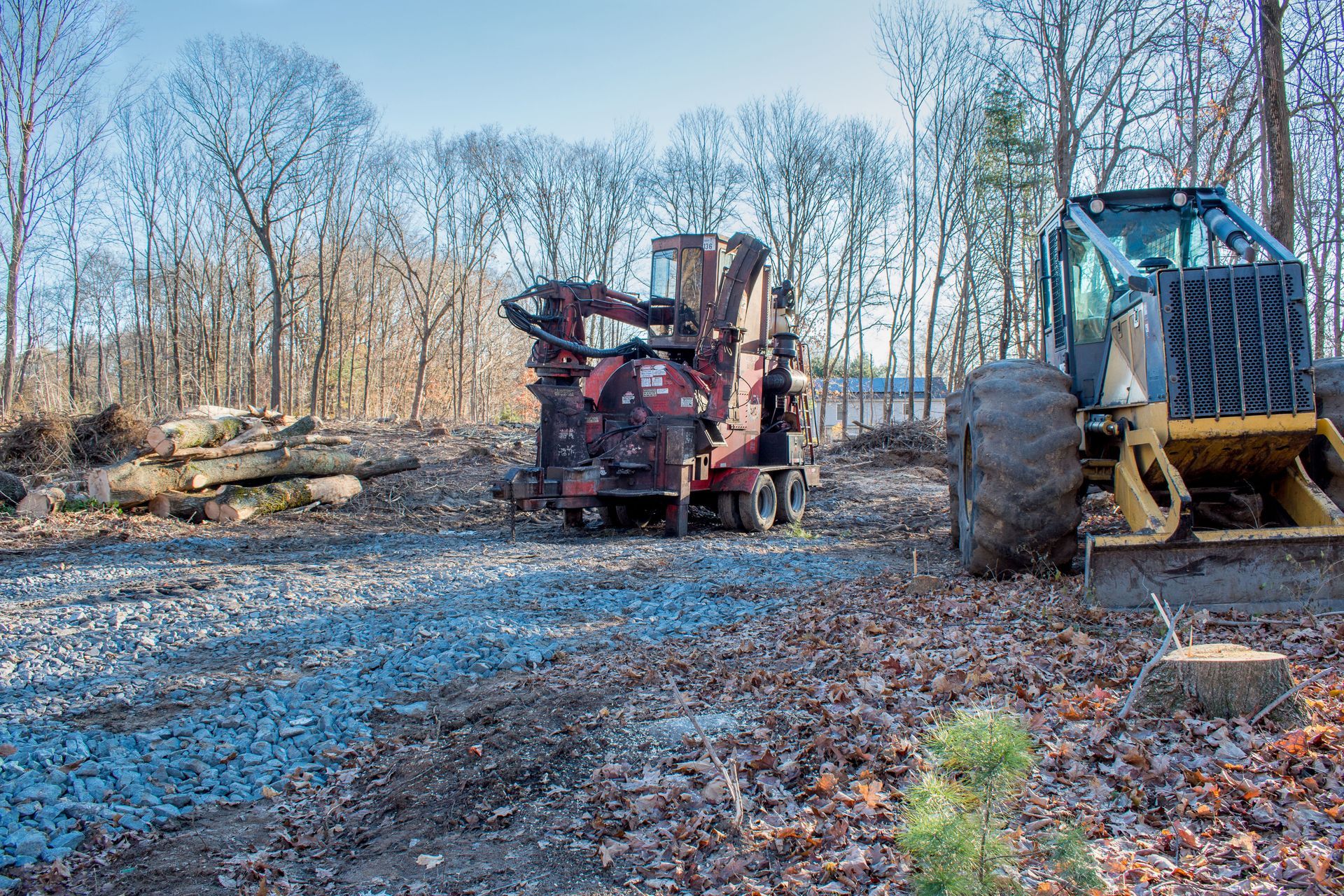
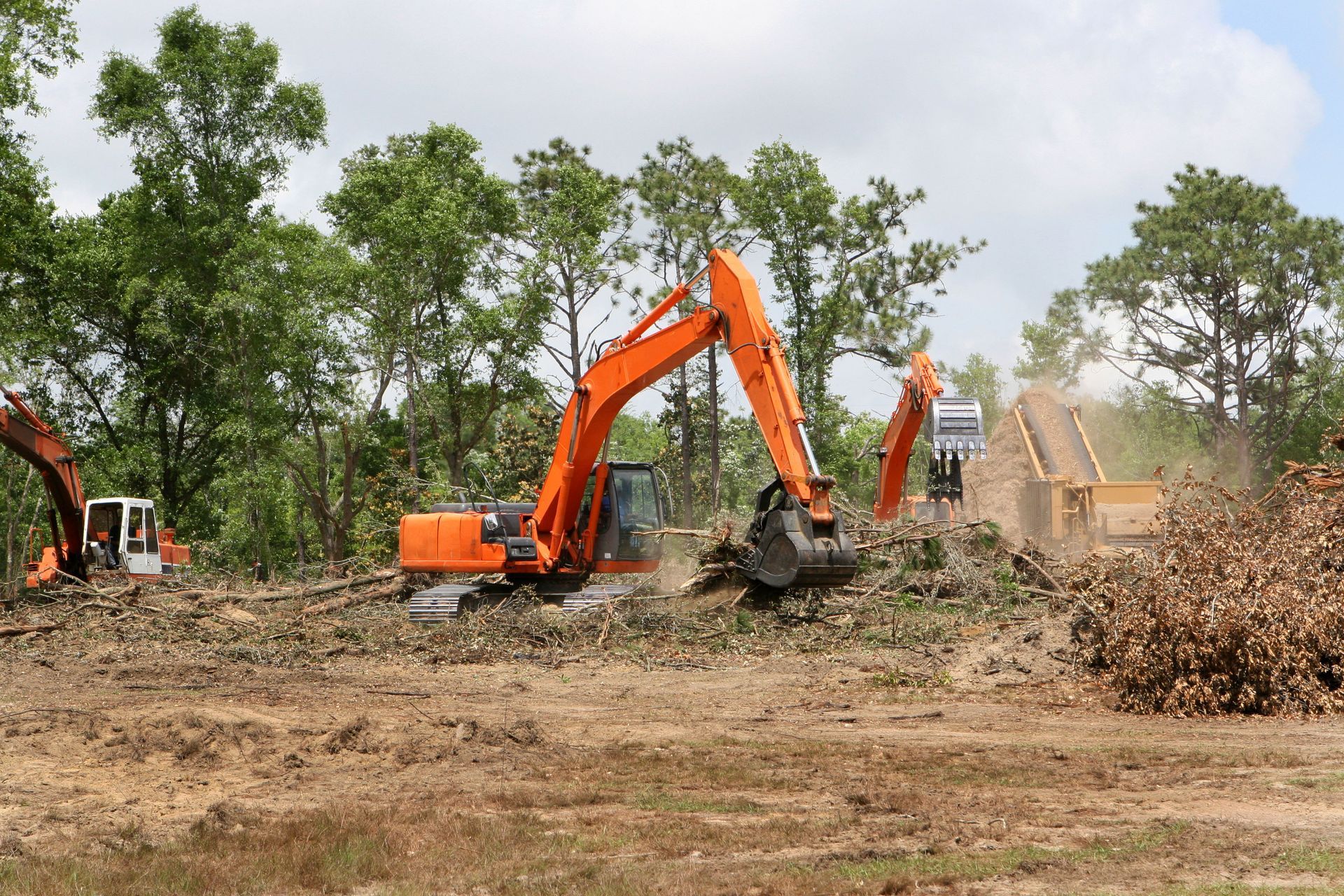
Various land clearing techniques can be employed to combat invasive species. Mechanical removal involves using machinery to physically remove invasive plants, roots, and all. Chemical control can be used in conjunction with mechanical methods to prevent regrowth by applying herbicides. Prescribed burning is another technique that can strategically remove invasive species by controlling fire. Each method has its advantages and disadvantages and is selected based on the specific environmental context.
Environmental Benefits of Controlled Clearing
When done correctly, controlled land clearing offers significant environmental benefits. It can quickly reduce the abundance of invasive species, allowing native flora to recover and restore ecological balance. By removing invasive plants, land clearing reduces competition for resources such as sunlight, water, and nutrients. This allows native species to thrive and increases overall biodiversity. Moreover, controlled clearing can prevent the further spread and reduce habitat fragmentation.
The Role of Land Clearing in Ecosystem Restoration
Land clearing plays an essential role in ecosystem restoration efforts. By removing invasive species, it helps restore habitats to their natural states, promoting native species' recovery. Restoration projects often involve a combination of land clearing and subsequent replanting of native species. This holistic approach ensures that the cleared land is quickly repopulated with beneficial flora. Ultimately, ecosystem restoration through land clearing helps build resilient ecosystems that can withstand future invasions.
Case Studies of Successful Land Clearing for Invasive Species Management
Land Clearing in Florida for Melaleuca Eradication
In Florida, the invasive Melaleuca tree posed substantial threats to native wetlands. A combination of mechanical removal, chemical treatment, and prescribed burning was implemented to manage this invader. These efforts resulted in significant reductions of Melaleuca populations, allowing native wetland species to rebound. The project's success underscores the importance of using multi-faceted land clearing strategies. Continuous monitoring ensures that Melaleuca does not regain dominance in treated areas.
Managing Carpobrotus in Coastal California
Carpobrotus, commonly known as ice plant, has overrun many coastal regions in California, displacing native dune vegetation. Land clearing efforts involved manually removing dense mats of Carpobrotus and resowing native dune grasses. The restoration of these coastal dunes not only improved biodiversity but also enhanced dune stability against erosion. The involvement of local communities played a crucial role in sustaining these efforts. Such projects highlight the need for persistent management to prevent regrowth.
The Australian Approach to Feral Camels and Rabbits
Australia faces a challenge from invasive feral camels and European rabbits. Integrated management approaches involved land clearing to reduce rabbit habitats and coordinated culling of camels. These measures were supported by policy initiatives and community involvement, ensuring broad-based support. The initiatives were successful in reducing populations and restoring the ecological balance in affected areas. Australia’s approach serves as a model for combining land clearing with other control strategies.
Restoration Efforts in the Galápagos Islands
The Galápagos Islands’ unique ecosystems are particularly vulnerable to invasive species. Land clearing was used to remove invasive flora such as blackberry and guava, which threatened native plant species. These efforts were part of broader restoration projects that included reintroducing native plants and animals. The success of these projects helped enhance the biodiversity and resilience of the islands' ecosystems. Continuous international collaboration supports these ongoing restoration efforts.
Insights from African Savannah Clearing Projects
African savannahs are under threat from invasive plants like Prosopis, which can dominate waterways and crowd out native species. Land clearing projects, often involving both mechanical and manual removal, have been crucial in maintaining savannah biodiversity. These projects frequently involve local communities to ensure sustainable management and monitoring. Land clearing has helped restore water resources and re-establish habitats for native fauna. Continued efforts aim to scale up these projects for broader impact across the continent.
Strategies for Effective Land Clearing
Planning and Prioritization of Areas
Planning is key to effective land clearing, with efforts prioritized in areas most affected by invasive species. Identifying hotspots of invasion allows for targeted interventions that maximize impact. Strategic planning involves assessing the ecological value of a site and the potential benefits of clearing. Adequate mapping and evaluation tools are employed to guide decision-making. Effective prioritization ensures that resources are focused on areas with the highest potential for successful restoration.
Integrating Community and Stakeholder Involvement
Community and stakeholder involvement is crucial for the success of land clearing projects. Engaging local communities creates a sense of ownership and responsibility, enhancing project sustainability. Public awareness campaigns and training programs can mobilize volunteers for manual clearing efforts.
Collaboration with stakeholders, including government agencies and conservation organizations, enhances resource sharing and expertise. This integrated approach results in more comprehensive and enduring management solutions.
Land clearing, when implemented thoughtfully and strategically, can serve as a powerful tool in eradicating invasive species and recovering ecosystems. Continued research, combined with practical applications and community engagement, will drive future successes in preserving biodiversity and maintaining the health of our planet. According to Mass Audubon, in the Eastern U.S. forests and wooded edges, invasive vines like Oriental Bittersweet can grow one to 12 feet per year, reaching up to 60 feet in canopy height and strangling mature trees under hundreds of pounds of excess vine weight. Be sure to reach out to Evans Land Clearing for more information on our professional land clearing service!